

Services / Neuromodulation
Neuromodulation
The umbrella over every treatment here that changes brain activity directly rather than through the bloodstream, including photobiomodulation and neurofeedback, and the assessment that decides which one belongs in your plan.
Schedule an AppointmentAbout this service
Medication reaches the whole body to change one circuit. Neuromodulation goes at the circuit itself.
One family, several tools
TMS, photobiomodulation, neurofeedback, tDCS and heart rate variability training all modulate activity in different ways, at different intensities.
Chosen from data
A qEEG brain map shows which networks are over- or under-active, and that pattern points to the right modality.
No medication involved
Focus treatments without systemic medication. Neuromodulation works directly with brain activity and neuro networks. Rather than relying on medications circulating throughout the body. This can offer another path to treatment without many of the systemic side effects associated with medication. Such as weight gain, sexual side effects, or sedation.
Measured, then stopped or continued
Progress is checked against your baseline map and standardized scores. We stop when the data says the approach is not working or if your symptoms are in remission.

How a visit works
Neuromodulation

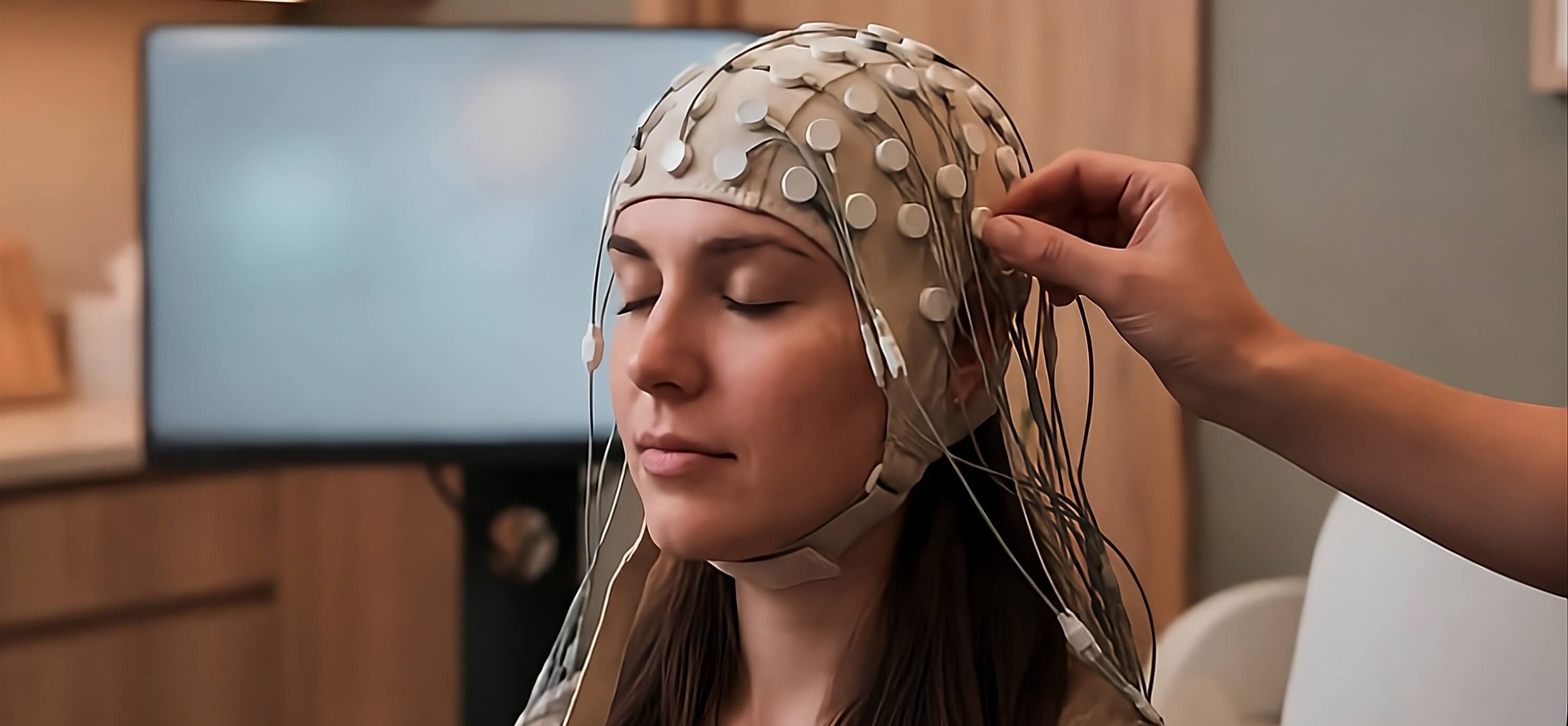
Neuromodulation begins with a brain map rather than with a device. A qEEG recording is compared against normative databases and read by a board-certified clinician, and from that reading we recommend a modality: stimulation when a network needs driving from outside, photobiomodulation when cellular energy and blood flow are the limiting factor, training when a network can learn to regulate itself, autonomic work when the nervous system is what holds everything back. Sessions then follow the protocol for that modality, and we re-measure at a set point rather than relying on impression.
Modalities we offer
- PhotobiomodulationTMS
- Heart rate variability trainingNeurofeedback
- qEEG-guided protocolstDCS
- Repeat mapping
Who this is for
- Depression or anxiety where medication has plateaued or been poorly tolerated
- ADHD and attention concerns, especially where families prefer to avoid stimulants
- Post-concussion attention, memory and mood complaints
- Anyone who wants a route that is neither a prescription nor talk therapy alone
What to know before you start
- Each modality has its own schedule. Some are daily for weeks, others weekly
- A brain map comes first; we do not pick a device without one
- Certain implanted metal, devices or a seizure history rule out stimulation. We screen for this
- In acute crisis this is the wrong level of care; call or text 988
How it works

Step 1
Brain map
A qEEG recording read against normative databases, with a written interpretation.

Step 2
Modality review
We recommend stimulation, training or autonomic work, or none if the data does not support it.

Step 3
Course of sessions
The protocol for that modality, delivered in clinic with the same clinician throughout.
Step 4
Re-map and decide
We measure against your baseline and either taper, switch approach or stop.
What it costs
What you pay depends on the plan we build with you and on your insurance coverage. Your exact fee is always confirmed before you book.
Find out more about costReach out to schedule consultation.
Often Combined With





Get Started