










Services / Comprehensive Assessment

Comprehensive Assessment

An in-depth clinical intake, validated assessments, advanced laboratory testing, and qEEG brain mapping come together to create a 360-degree view of your health and guide personalized care.

Schedule an Appointment

Format

Multi-disciplinary assessment

Time

3 visits + 1 review

Ages

Children, teens and adults

Scheduling

Call or request online

Our Comprehensive Assessment is guided by the Wholeness Method

Our integrated approach to understanding the whole person.

The Wholeness Method

Why Start Here

Most people arrive after years of trial and error. The assessment replaces guessing with a map.

By investing time in understanding your health from the outset, we can reduce unnecessary trial and error and make more thoughtful recommendations. Your written plan remains yours, whether or not you continue with us.

We start by looking deeper

Our in-depth assessment explores your symptoms, health history, past treatments, daily life, and the factors that may be affecting how you feel. We take the time to understand more than what can be captured in a brief appointment.

We connect the pieces

Mental health symptoms rarely have just one cause. By looking at your mind, body, brain, and experiences together, we can better understand the whole picture and identify what may have been missed.

Your team works from the same understanding

Your providers communicate and build on what has already been learned, giving you coordinated recommendations instead of separate or conflicting treatment plans.

Fewer failed trials

A deeper understanding helps narrow the options and make treatment choices more intentional. Rather than moving from one idea to the next, each step is selected for a reason and evaluated for how well it is working.

A patient laughing, head tilted back, in warm low light

Where to Start

Two ways to start with us

Crates of fresh fruit and vegetables at a market stallA green mountain meadow below a snow-streaked ridgeA woman standing in soft daylight, arms raised above her head

One assessment. One connected plan.

A comprehensive assessment gives your providers a shared understanding of your history, health, symptoms, and goals. With that foundation, psychiatry, functional medicine, and therapy can contribute to one coordinated direction for care, not three disconnected opinions.

You receive:

  • A clear explanation of what we learned
  • Recommendations organized by priority
  • The reasoning behind each recommendation
  • A written plan you can keep and share with other providers

Start with the full picture

For people who want to understand what is driving their symptoms before beginning or changing treatment.

  • The comprehensive assessment described on this page
  • Laboratory testing and qEEG brain mapping where they are useful
  • A written plan reviewed by the whole clinical team, yours to keep

Request a comprehensive assessment

Start treatment now

For people who need care this week. We book you with a clinician first and decide together what else is worth measuring.

  • An appointment with a psychiatric provider or therapist to begin with
  • Treatment started at the first visit where that is the right call
  • The assessment available later, if and when it would add something

Ask for the soonest appointment

Who May Benefit

A comprehensive assessment may be especially helpful for:

  • People who want a deeper understanding before beginning or changing treatment
  • Those who have tried multiple treatments without lasting improvement
  • People experiencing a complex combination of mood, cognitive, physical, or energy-related symptoms
  • Anyone seeking clarity about an uncertain or changing diagnosis
  • Parents looking for a more complete understanding of their child or adolescent
  • People seeking a comprehensive second opinion or a more coordinated plan for care

What It Is Not

  • This is not emergency or crisis care.
  • It is not a barrier to beginning psychotherapy; therapy can begin while you explore whether the assessment is right for you.
  • It is not one test offering one simple answer. It is a thoughtful process designed to bring the different pieces of your health and history together.

What to Expect

Step 1

Intake and Laboratory Testing

We begin with an in-depth conversation about your symptoms, health history, previous treatments, daily life, and goals. Laboratory testing may evaluate areas such as thyroid function, nutrient status, inflammation, and metabolic health.

Step 2

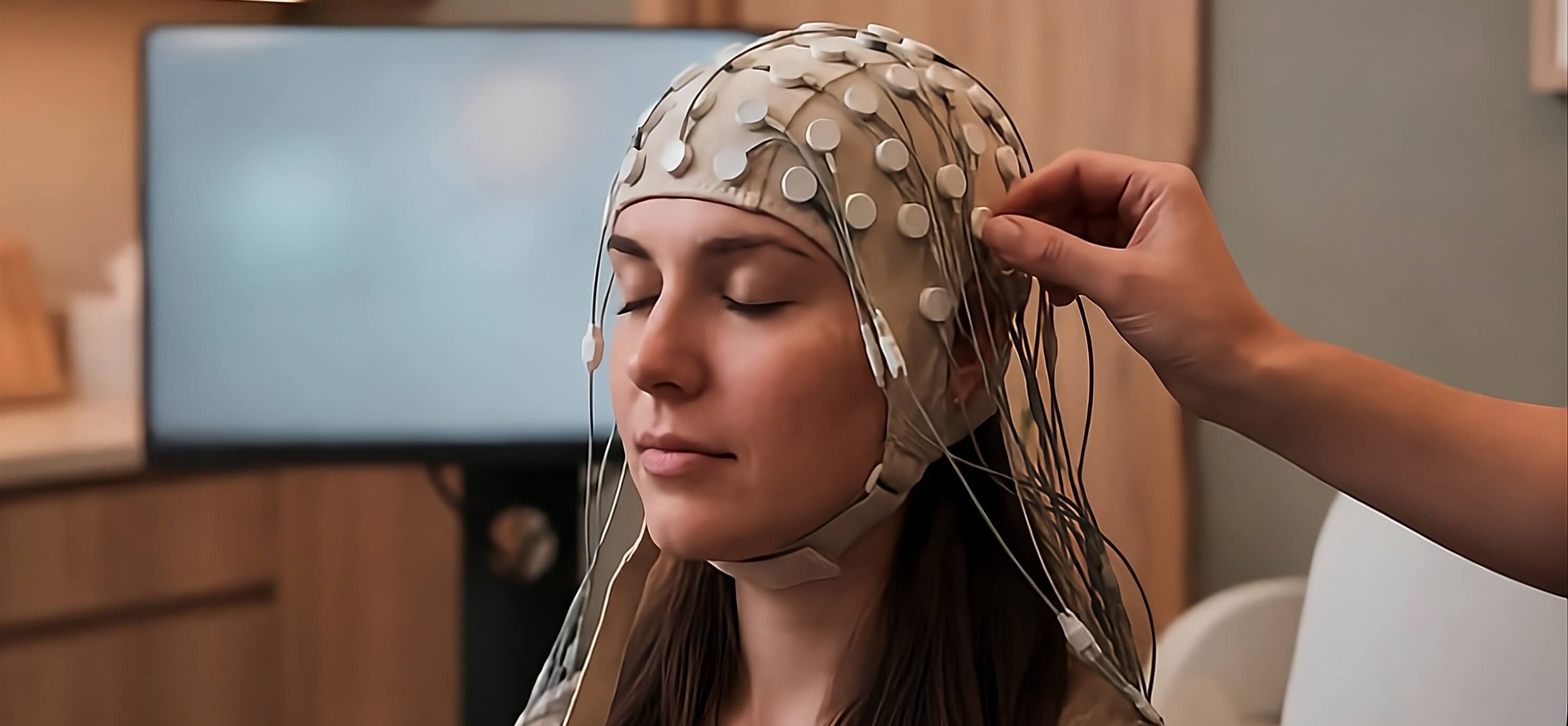
qEEG Brain Mapping

This noninvasive recording takes approximately 45 minutes and uses no radiation. It provides information about patterns of brain activity that may help deepen our understanding of your symptoms.

Step 3

Clinical Review

Your history, assessment results, laboratory findings, and brain map are brought together and reviewed. Providers across psychiatry, functional medicine, neuroscience, and therapy contribute their perspectives when relevant to your care.

Step 4

Results and Recommendations

During a results visit, we explain what we learned, answer your questions, and review recommended next steps. You receive a written plan that is yours to keep and share with other providers.

What’s Included

A blood sample tube of clear and blue fluid in the light

Advanced Blood Work

Our laboratory assessment explores physical factors that may be influencing your mental health and overall well-being.

  • Thyroid functionHormonal healthNutrient status, including iron, vitamin B12, folate, and vitamin D
  • Inflammatory and metabolic markersAdditional advanced, personalized testing when clinically indicated

A man laughing, head tilted back, against a plain wall

Personalized Brain Mapping

Your qEEG brain map helps the clinical team understand your unique patterns of brain function more clearly. These insights are considered alongside your symptoms, history, and other assessment findings to help inform your care.

A gloved hand holding a vial up in front of a patient’s face

In-Depth Clinical Intake

Your clinician takes the time to truly hear your story and understand the experiences that have shaped your health. The intake looks beyond a symptom checklist to explore your psychiatric and medical history, previous treatments, medications and supplements, relationships, stressors, daily functioning, lifestyle, and goals for care.

A clinician looking through a laboratory microscope

Integrated Results and Recommendations

Your clinical history, laboratory findings, brain map, and assessment results are brought together to create a more complete understanding of your needs. During your results visit, we explain what we learned, answer your questions, and provide a written plan with clear priorities and recommended next steps.

What You Receive

Four documents, not four opinions

A person standing on a wooden jetty above still water at sunriseA woman lying on grass in bright sun, an arm across her face
  1. A Thoughtful, Thorough Written Plan

    A personalized plan based on the findings from your assessment, with clear priorities, clinical reasoning, and recommended next steps.

  2. Your Brain Map Report

    A detailed report with images, interpretation, and guidance to help you understand your specific patterns of brain function.

  3. Your Laboratory Results

    Copies of your laboratory results are available in your patient portal for your records and to share with other members of your healthcare team.

  4. A Collaborative Team Summary

    A summary that brings together the perspectives of our multidisciplinary team and explains how the different findings inform your care.

Who Reads Your File

The Perspectives Behind Your Plan

Our multidisciplinary team brings together different areas of expertise to develop a more complete and coordinated understanding of your needs.

Meet the Team

Psychiatry

Considers your symptoms, diagnosis, treatment history, lived experience, and medication options, including what has helped, what has not, and whether medication or non-medication approaches may be appropriate moving forward.

Functional Medicine

Examines how other systems in your body may be contributing to your mental health, including your gut, hormones, inflammation, metabolism, nutrition, and more. Your laboratory findings, physical health, and lived experience help guide this perspective.

Neuroscience and Brain-Based Care

Interprets your qEEG brain map and considers how your unique patterns of brain function may inform treatment recommendations and brain-based therapies, including neuromodulation and neurofeedback.

Psychotherapy

Considers your experiences, relationships, stressors, emotional needs, and behavioral patterns to identify the therapeutic approaches that may best support you.

What it costs

What you pay depends on the plan we build with you and on your insurance coverage. Your exact fee is always confirmed before you book.

Find out more about cost

Reach out to schedule consultation.

Request an Appointment
“Dr. Steven Rondeau and the team at Wholeness Center provided exactly the kind of thoughtful, integrative care our family needed. His expertise as a board-certified qEEG specialist combined with his warm, clear communication made a complex evaluation accessible and actionable.”

Kimberly K

Parent · 2026

A Patient’s Words

01/05

Common Questions

  • Can I complete the assessment if I already have a psychiatrist?

    Yes. The assessment can complement the care you are already receiving by offering additional insight into your mental health, physical health, and brain function. With your permission, you can share your written plan and results with your current psychiatrist or other healthcare providers.

  • Do children go through the same assessment?

    The overall approach is similar, but every assessment is tailored to the child’s age, development, symptoms, and individual needs. The clinical intake also includes the parent or caregiver’s perspective, and testing recommendations are selected thoughtfully for each child.

  • What if my laboratory results are normal?

    Normal results are still meaningful because they help rule out certain physical contributors and allow the team to focus on other areas. Laboratory findings are only one part of the assessment and are considered alongside your history, symptoms, lived experience, and brain map.

  • How much of the assessment can I complete if I live outside Colorado?

    Many parts of the assessment may be completed virtually, depending on provider licensure and telehealth regulations in your state. When possible, we can collaborate with providers in your area to determine whether local qEEG brain mapping is available. Our team can help you understand what is possible before you begin.

  • Do I have to continue treatment with Wholeness afterward?

    No. Your results, brain map report, laboratory findings, and written recommendations are yours to keep. You may continue with Wholeness, share the information with your existing providers, or use it to guide care elsewhere.

  • How long will it take before I feel a difference?

    The assessment is designed to provide clarity and direction, but the time it takes to notice changes depends on your needs, the recommendations you choose to pursue, and how you respond to treatment. Some people experience early improvements, while others require a more gradual process. We monitor progress and refine care over time.

Where It Leads

Get Started

Start with a baseline visit:we’ll pick the two changes most likely to move your numbers.

Schedule an Appointment